 (406) 453-7000


 (406) 453-7000
If you own or manage a commercial building in Great Falls, you already know this isn’t a place for half-measures. Winters are long. Winds are relentless. Summer sun can be surprisingly brutal. Your roof isn’t just a lid—it’s the first line of defense between your business and everything Montana weather can throw at it.
Choosing the wrong commercial roofing system can mean leaks during freeze-thaw cycles, rising energy bills, or constant repairs that pull your focus away from running your business. The right system, on the other hand, works quietly in the background, doing its job year after year.
This guide breaks down the most reliable commercial roofing options for Great Falls businesses, explains how each one performs in real-world conditions, and helps you decide which system fits your building and your goals.
Key takeaways:
- Flat and low-slope roofs need specialized materials, not shingles
- EPDM, TPO, and PVC each solve different business problems
- Climate, building use, and budget all matter more than brand names
- A properly installed roof saves money long-term, not just upfront
What types of commercial roofs work best for flat and low-slope buildings?
Membrane roofing systems are designed for durability, flexibility, and water resistance.
Most commercial buildings in Great Falls have flat or low-slope roofs. These designs demand roofing systems that can handle standing water, snow loads, and temperature swings without cracking or leaking.
Single-ply membrane roofs dominate the commercial market for good reason. They’re lightweight, proven, and adaptable to Montana’s climate. The three most common—and most reliable—options are EPDM, TPO, and PVC.
Each one brings something different to the table.

Why is EPDM roofing a smart choice for Great Falls businesses?
EPDM offers flexibility, cold-weather performance, and long-term value.
EPDM roofing, often called “rubber roofing,” has been trusted on commercial buildings for decades. Made from Ethylene Propylene Diene Monomer, this black rubber membrane is especially well-suited for colder climates like north-central Montana.
EPDM stays flexible even when temperatures drop well below freezing. That flexibility matters during winter when roofs expand and contract repeatedly. Instead of cracking, EPDM stretches and rebounds.
Business owners choose EPDM because:
- It resists UV damage and ozone exposure
- It performs exceptionally well in cold weather
- It’s one of the most cost-effective commercial roofing systems
- Repairs are straightforward and affordable
EPDM is often ideal for warehouses, office buildings, and facilities where durability matters more than reflectivity. While it doesn’t reflect heat like lighter membranes, added insulation can balance energy performance.
How does TPO roofing help reduce energy costs?
TPO reflects heat, lowers cooling demands, and fits tight budgets.
TPO roofing has become one of the most popular commercial roofing systems in the country, and for good reason. Its white, reflective surface helps bounce sunlight away from the building, which can significantly reduce cooling costs during Montana’s warmer months.
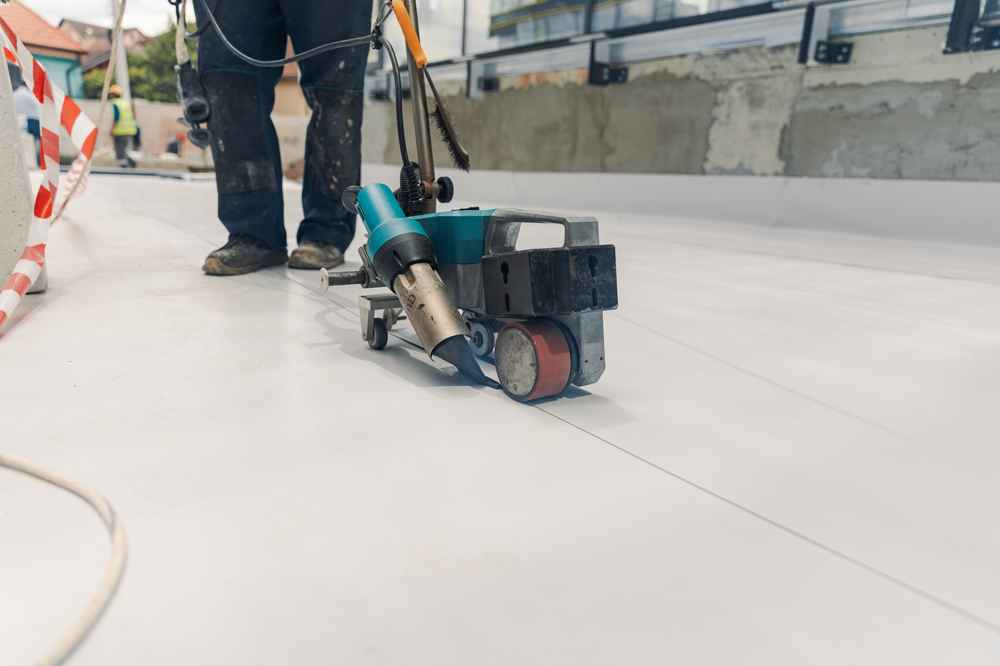
TPO is a thermoplastic membrane, meaning seams are heat-welded instead of glued. This creates a strong, watertight bond that resists leaks over time.
TPO works well for businesses that want:
- Lower summer energy bills
- A clean, modern roofing system
- Fast installation with minimal disruption
- Strong performance across changing seasons
For retail spaces, offices, and mixed-use buildings in Great Falls, TPO offers a strong balance between affordability and efficiency.
When is PVC roofing the best option for commercial buildings?
PVC excels in harsh environments with grease, chemicals, and heavy runoff.
PVC roofing is often the premium option among single-ply membranes. It costs more upfront, but it’s engineered to handle conditions that would wear down other roofing systems faster.
PVC is especially popular for restaurants, food processing facilities, and industrial buildings because it resists:
- Grease and oils
- Chemical exposure
- Standing water
- Mold and bacteria growth
Its heat-welded seams create a waterproof barrier that holds up exceptionally well over time. If your building sees frequent roof traffic or deals with harsh runoff, PVC can be worth the investment.
How do you choose the right commercial roofing system for your building?
The best choice depends on how your building is used, not just the price.
There’s no one-size-fits-all answer. The right roof depends on how your building functions day to day. A storage facility has very different needs than a restaurant or medical office.
Here are key factors to consider:
- Building use and roof traffic
- Exposure to grease, chemicals, or exhaust
- Energy efficiency goals
- Budget and long-term maintenance plans
- Local climate and weather patterns
A professional commercial roofing contractor can evaluate these details and recommend a system that actually makes sense—not just one that’s popular.
What are the biggest benefits of professional commercial roof installation?
Proper installation determines how long your roof truly lasts.
Even the best roofing material will fail if it’s installed poorly. Seams, flashing, drainage, and insulation all play critical roles in how your roof performs over time.
Professional installation ensures:
- Proper slope and drainage to prevent ponding water
- Secure seams and flashing details
- Compliance with manufacturer warranties
- Fewer repairs and longer service life
This is where experience matters. A roof installed right the first time saves thousands over its lifespan.
What questions do business owners in Great Falls ask most often?
The Straight Talk Section: Real Questions, Real Answers
How long does a commercial roof last in Montana?
Most membrane roofs last 20–30 years when properly installed and maintained, even with harsh winters.
Can my business stay open during roof installation?
In most cases, yes. Professional crews minimize disruption and work around business operations.
Do flat roofs always leak?
No. Leaks come from poor installation or neglected maintenance, not the roof style itself.
Is maintenance really necessary?
Yes. Annual inspections catch small issues before they become expensive problems.
What should you do next if your commercial roof needs attention?
Bring it all together with a trusted local partner.
Your roof isn’t the place to gamble. Whether you’re planning a full replacement or just need an honest evaluation, working with a contractor who understands Great Falls weather makes all the difference.
At A-1 Contractors in Great Falls, Montana, we help business owners choose roofing systems that actually work for their buildings—not just what looks good on paper. From EPDM and TPO to PVC installations and long-term maintenance, our team delivers straightforward advice and dependable craftsmanship.
If your roof is aging, leaking, or simply due for a professional inspection, now is the time to act. Contact A-1 Contractors today and protect your business from the top down.