 (406) 453-7000


 (406) 453-7000
Your roof is not something you think about every day until a stain appears on the ceiling or a shingle lands in the yard after a windstorm. In a place like Great Falls, Montana, where snow loads, ice dams, summer heat, and straight line winds all take their turn beating on your home, knowing how long a roof should last is not a luxury. It is part of protecting your biggest investment.
This guide breaks down how long each major residential roofing material really lasts, what shortens or extends that lifespan, and how you can avoid being surprised by a sudden failure.
Key takeaways
• Not all roofing materials age the same in Montana’s climate
• Maintenance can add years to the life of any roof
• Storm damage often shortens a roof’s life without obvious signs
• Regular inspections catch problems before they turn expensive
What actually determines how long a residential roof lasts?
The real factors behind roof lifespan
A roof does not wear out based on the calendar alone. It wears out based on stress. Every snowfall, hot summer afternoon, hailstorm, and freeze and thaw cycle pushes materials a little closer to failure.
Climate is one of the biggest factors. In Great Falls, roofs deal with heavy snow loads in winter, moisture from ice dams, and sun exposure that bakes shingles in summer. That combination causes materials to expand, contract, crack, and loosen over time.
Installation quality also matters more than most homeowners realize. A perfectly made shingle will still fail early if it is nailed wrong, flashed poorly, or installed over bad decking. That is why professional installation is just as important as the material itself.
Ventilation and insulation play a huge role too. A poorly ventilated attic traps heat and moisture, which cooks shingles from below and leads to rot in the roof deck. When airflow is balanced, the roof stays cooler, drier, and lasts longer.
How long do asphalt shingle roofs really last?
The most common roof in Montana explained
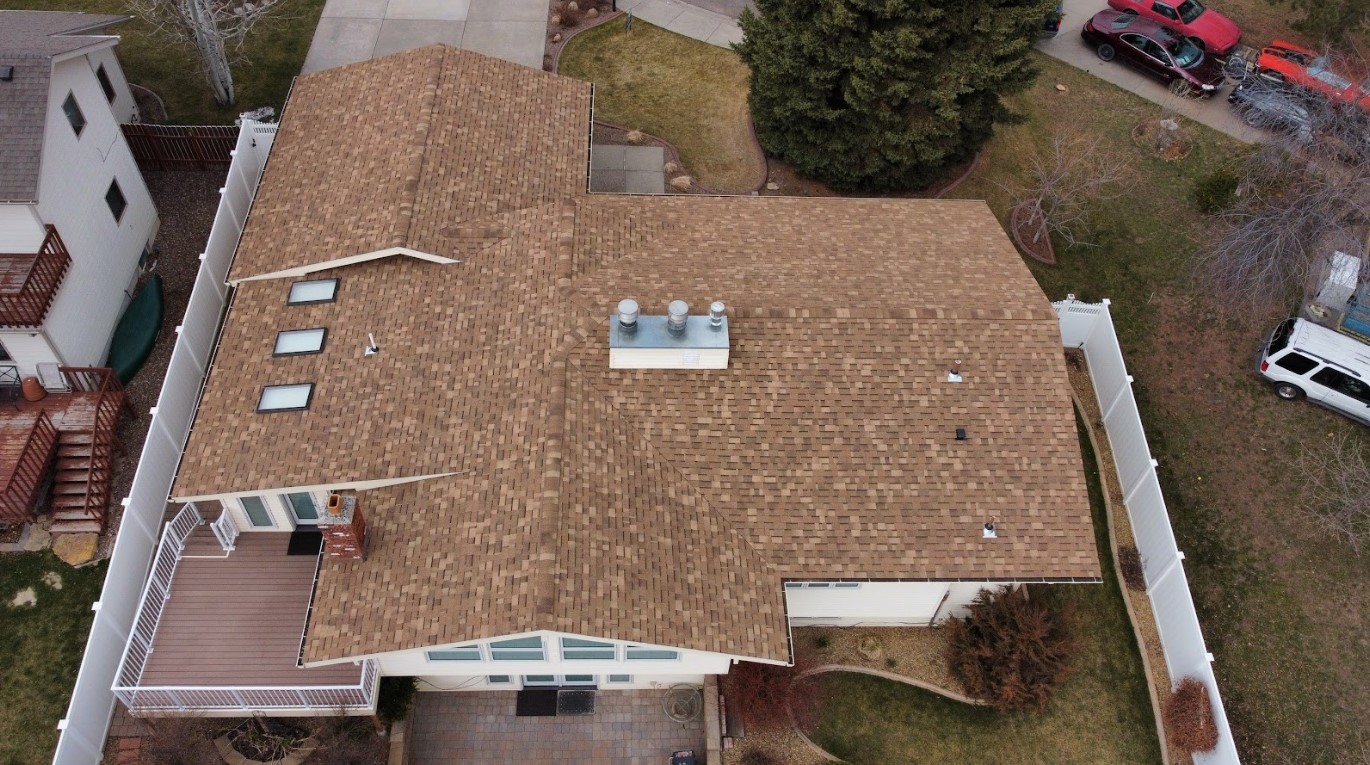
Asphalt shingles are the most popular roofing choice across Montana because they are affordable, durable, and adaptable. In ideal conditions, a standard three tab shingle roof can last 15 to 20 years. Architectural or dimensional shingles often stretch closer to 20 to 30 years.
In the real world, Montana weather can shorten that range. High winds lift shingles. Snow and ice trap moisture. Summer heat dries out the asphalt and causes cracking. If you are seeing granules in your gutters or bald spots on shingles, those are signs the roof is nearing the end.
Homeowners who schedule regular inspections and make small repairs often squeeze several extra years out of an asphalt roof. A loose shingle fixed early prevents water from getting underneath and rotting the deck.
How long does a metal roof last on a residential home?
Why metal is built for Montana weather
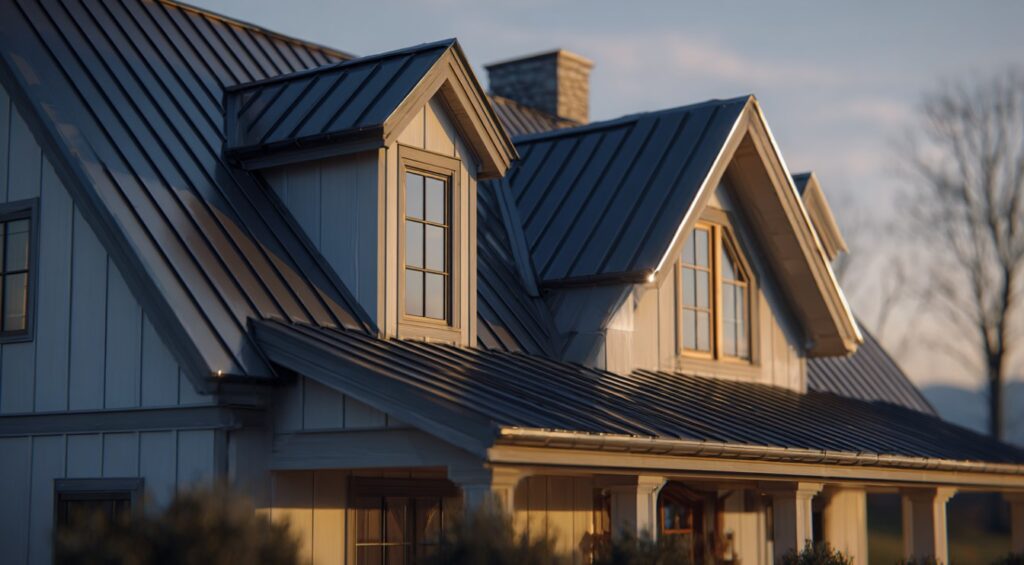
Metal roofing has become more popular in Great Falls for one simple reason. It handles extreme weather better than most other materials. A properly installed metal roof can last 40 to 70 years, sometimes even longer.
Metal sheds snow easily, which reduces the risk of ice dams and heavy load stress. It also resists cracking, warping, and rot. Unlike shingles, metal does not rely on surface granules that wear away.
The key to metal longevity is fasteners and coatings. Over time, screws can loosen and protective coatings can fade. Regular inspections ensure these small issues do not turn into leaks. With basic maintenance, a metal roof can outlive most of the people who live under it.
How long do wood shake and wood shingle roofs last?
The beauty and the upkeep of natural roofing
Wood shake and shingle roofs bring a classic, rustic look to a home. In dry, mild climates, they can last 30 to 40 years. In Montana, the lifespan is usually closer to 20 to 30 years because moisture, snow, and temperature swings take a toll.
Wood is organic, which means it is vulnerable to rot, mold, and insects. When snow sits on a wood roof for weeks, moisture slowly works its way into the material. Without proper treatment and airflow, decay sets in.
Homeowners who choose wood roofing must commit to regular inspections, cleaning, and treatments. When well maintained, wood roofs can still perform beautifully, but neglect shortens their life fast.
How long do tile and slate roofs last?
The longest lasting residential roofing materials
Tile and slate roofs are known for their incredible longevity. Clay and concrete tile roofs often last 50 to 75 years. Natural slate can last over 100 years.
These materials do not rot, warp, or break down from sun exposure. They are heavy and extremely durable. In Montana, they hold up well against snow and cold, as long as the structure beneath them is strong enough to support the weight.
The most common issues with tile and slate are not the tiles themselves. They are the underlayment and flashing underneath. When those wear out, leaks appear even though the tiles look fine. That is why inspections are still important.
What shortens the life of any roof?
The hidden enemies homeowners overlook
No matter what material is on your home, a few things will shorten its lifespan faster than anything else.
- Poor attic ventilation that traps heat and moisture
• Storm damage that goes unnoticed
• Clogged gutters that cause water backup
• Improper repairs done by untrained workers
• Ignoring small leaks until they become big ones
Many homeowners assume a roof is fine until water drips inside. By then, damage has often been spreading for months or years. Early inspections catch these issues while they are still cheap and easy to fix.
How can homeowners tell when a roof is nearing the end?
The warning signs that should not be ignored
Your roof usually gives you plenty of clues before it fails. You just have to know what to look for.
Curling or cracked shingles often mean the material is drying out. Missing shingles point to wind damage. Dark streaks or sagging areas may signal trapped moisture. Inside the home, water stains, peeling paint, or musty smells in the attic all indicate trouble.
If your roof is over 15 years old, it is smart to have it inspected even if everything looks fine. Most failures happen quietly, long before the leak becomes visible.
What questions do Montana homeowners ask most about roof lifespan?
Straight talk from the field
Is it normal for a roof to fail early in Montana
Yes. Harsh winters, strong winds, and hailstorms can knock years off a roof’s life. That is why regular inspections matter here more than in milder climates.
Can repairs really extend a roof’s life
Absolutely. Replacing a few damaged shingles or resealing flashing can prevent water from getting into the roof system and causing rot that leads to full replacement.
How do I know if storm damage is serious
Many times you cannot see it from the ground. A professional inspection after a major storm is the safest way to know if your roof was compromised.
Should I wait until there is a leak to replace my roof
Waiting usually costs more. Replacing a roof before it fails prevents interior damage, mold growth, and structural repairs.
Why does professional inspection make such a big difference?
The power of trained eyes on your roof
A trained roofer sees things most homeowners miss. They know where flashing fails first. They know how wind lifts shingles. They know how ice dams start. That knowledge turns a quick inspection into years of added roof life.
In Great Falls, where weather changes fast, inspections after big storms are especially important. A small crack today becomes a ceiling stain next spring if it goes unnoticed.
Where does it all come together for your home?
Your roof, your peace of mind, your next step
A roof is not just a layer of material. It is the shield that keeps your home safe, dry, and comfortable through every Montana season. Knowing how long it should last, and what threatens that lifespan, puts you back in control.
If you want honest answers about your roof, from a team that understands Great Falls weather inside and out, reach out to A-1 Contractors. Whether you need an inspection, a repair, or a full replacement, their experts are ready to help you protect what matters most.
Your roof works hard every day. Make sure it gets the care it deserves.