 (406) 453-7000


 (406) 453-7000
When your asphalt shingles start showing their age, curling at the edges, or losing their protective granules, you face a major homeowner decision. Your roof keeps the rain out, keeps the heat in, and protects everything you own underneath it. When time catches up to your shingles, you generally have two paths forward: tear everything down to the bare wood deck for a full roof replacement, or nail a fresh layer of shingles right over the old ones in what contractors call a roof overlay.
At first glance, an overlay looks like an easy way to save time and cash. A complete tear-off, on the other hand, sounds like a bigger undertaking, though it gives you a clean slate. Let us cut through the noise, weigh the pros and cons of both options, and help you decide which approach fits your budget and your home long-term.
What Key Insights Should Every Homeowner Know About Overlays vs. Replacements?
Essential Roofing Basics
- Weight adds up fast: Building codes generally limit homes to two shingle layers because double-layer roofs trap heat and strain structural rafters.
- Decking remains hidden during an overlay: Laying new shingles over old ones covers up rotting plywood, trapped moisture, and hidden leaks.
- Cost vs. lifespan trade-offs: Overlays cost around twenty to thirty percent less upfront, but they reduce the total lifespan of the new shingles.
- Warranties vary widely: Many shingle manufacturers reduce or void warranty protection when products are installed directly over existing shingles.
What Is the Main Difference Between a Tear-Off Replacement and an Overlay?
Understanding Both Installation Methods
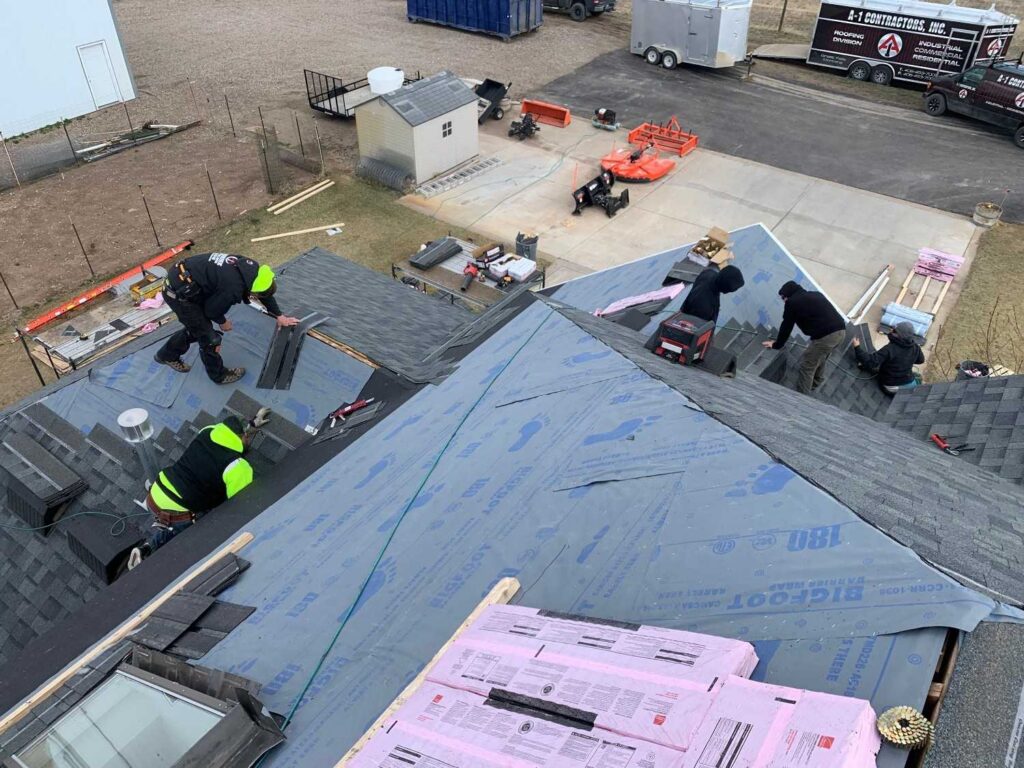
A roof replacement means ripping away every old shingle, stripping off the underlayment, and exposing the underlying wooden decking. Your crew inspects the bare plywood, replaces any water-damaged boards, installs new leak barriers, and builds a brand-new roof from the deck up.
A roof overlay—often called a reroof—skips the tear-off process entirely. Instead, contractors prep the existing shingle surface, install new flashing where necessary, and nail a second layer of dimensional asphalt shingles directly on top of your current roof.
The Tear-Off Advantage
Removing the old roof lets your contractor see what is happening underneath. If a slow leak has been rotting your roof deck for three winters, a full tear-off exposes the damage so it can be fixed before fresh shingles go down. Working with a dedicated roofing service team ensures every square foot of decking is solid, dry, and structurally sound.
The Overlay Shortcut
An overlay cuts out the labor hours required to strip the old roof and reduces disposal fees at the landfill. However, if your existing roof has curled shingles, uneven spots, or soft decking, those flaws will transfer right through to your new shingles.
How Do Roof Replacements and Overlays Compare Side by Side?
Weighing Costs, Lifespan, and Decking Safety
Choosing between these two methods comes down to balancing short-term savings against long-term performance.
| DECISION FACTOR | FULL ROOF REPLACEMENT | ROOF OVERLAY |
| Upfront Cost | Higher (Labor/Disposal) | 20% to 30% Lower |
| Average Lifespan | 25 to 30+ Years | 15 to 20 Years |
| Decking Inspection | Full 100% Inspection | None (Deck Hidden) |
| Weight Load on Structure | Single Layer Weight | Double Layer Weight |
| Manufacturer Warranty Coverage | Full Warranty | Limited or Voided |
An overlay might save you a chunk of money this week, but because heat gets trapped between the two layers of shingles, those new shingles bake from both sides in the summer sun. That extra heat shortens their expected lifespan by roughly twenty percent.
What Are the Hidden Risks of Choosing a Roof Overlay?
Why Saving Money Upfront Can Cost You Later
While an overlay sounds appealing on paper, it brings several structural risks that catch homeowners off guard.
- Trapped moisture and rot: If water slipped past your old shingles, laying a second layer traps that moisture against the wood, accelerating internal rot.
- Unseen decking failures: Soft spots, termite damage, or warped plywood remain hidden until someone steps through the ceiling or the roof sags.
- Added structural weight: Two layers of asphalt shingles can add up to four hundred pounds per hundred square feet, putting unnecessary stress on older roof trusses.
- Insurance and resale hurdles: Home inspectors flag double-layer roofs instantly during sales. Some insurance companies charge higher premiums or refuse coverage for two-layer roofs.
If your home already has structural issues or storm damage, jumping straight to a complete residential roof replacement eliminates the guesswork and keeps your home fully insured.
How Do You Know Which Option Is Right for Your Home?
Simple Guidelines for Making the Choice
You do not need an engineering degree to narrow down the best path. Ask yourself these four practical questions:
- How many shingle layers are already on your roof? If you already have two layers, building codes require a complete tear-off. No exceptions.
- Is your current roof flat and even? If your old shingles are curling, cupping, or missing, a new layer will look bumpy and fail early.
- Are you staying in the home long-term? If you plan to live in your home for ten years or more, a full replacement yields a much better return on investment.
- Is the roof deck solid? If you notice sagging ridges, spongy spots when walking on the roof, or attic leaks, an overlay is a recipe for disaster.
Real-World Advice: Why Getting Under the Shingles Matters
Solving the Reroof Dilemma
Standing on your front lawn, a second layer of shingles might look perfectly fine. But ask any crew that has ripped off a double-layer roof, and they will tell you the real story happens underneath. Water is patient. It sneaks under loose flashing, rides down nail shafts, and softens wood over years without making a visible ceiling stain inside your living room.
When you nail a fresh layer of shingles over an old roof, you are essentially gambling that everything underneath is in pristine shape. In regions with heavy snow loads, ice dams, and high winds, that is a risky bet. Ripping away the old materials lets your contractor install modern ice and water shields, put down fresh underlayment, and ensure your home stays bone-dry through every season. Learn more about our team and our hands-on approach to home protection in North Central Montana to see why doing it right the first time always pays off.
Clear Answers on Replacement and Overlay Decisions
Can I Put Metal Roofing Over Asphalt Shingles?
Yes, in many cases, metal panel systems can be installed directly over a single layer of asphalt shingles using furring strips. This creates an air gap that prevents heat transfer and provides a solid base for the metal panels without adding excessive weight.
Will an Overlay Void My Shingle Manufacturer Warranty?
Many major shingle manufacturers limit or void their standard material warranties when shingles are installed over an existing layer. Always check the specific warranty terms provided by your contractor before choosing an overlay. You can research official material guidelines through the Asphalt Roofing Manufacturers Association.
How Can I Tell How Many Layers of Shingles Are on My Roof?
Walk around the edge of your roof and check the gables or eaves. Look closely at the exposed edge where the shingles meet the drip edge metal. You should clearly see whether there is one single layer of shingles or two distinct layers stacked on top of each other.
How Long Does a Full Roof Replacement Take Compared to an Overlay?
An overlay can often be completed in a single day because there is no cleanup or removal of old materials. A full tear-off and replacement for an average single-family home typically takes one to two days, depending on the size of the roof and the amount of decking that needs repair.
Protect Your Home with A-1 Contractors, Inc.
Your roof is too important to leave to chance. Whether you need a quick inspection to check your decking or a complete system build that lasts for decades, working with an experienced local contractor gives you total confidence in your shelter.
At A-1 Contractors, Inc., we bring over twenty years of roofing expertise to homes across North Central Montana. As a certified GAF Master Elite residential contractor, our crew handles every project with speed, precision, and thorough cleanup. We inspect your roof deck from edge to edge so you never have to worry about hidden damage down the line.
Ready to find out which option makes the best sense for your home and budget? Reach out to A-1 Contractors, Inc. today to schedule your free home roof inspection and get an honest, straightforward recommendation from local pros.