 (406) 453-7000


 (406) 453-7000
Most homeowners spend a lot of time thinking about their roof shingles — the color, the durability, whether they’ll hold up through Montana winters. But there’s something happening up there that rarely gets any attention, and it quietly determines whether your entire roof system thrives or fails years too soon. We’re talking about roof ventilation. It’s not glamorous. It doesn’t show up in before-and-after photos. But ask any experienced roofer, and they’ll tell you: a roof that can’t breathe is a roof already in trouble. Understanding how your roof ventilation works — and whether yours is doing its job — can save you thousands of dollars and a whole lot of headaches.
Quick Takeaways
- Roof ventilation regulates temperature and moisture in your attic year-round
- Poor ventilation leads to ice dams, mold, premature shingle failure, and high energy bills
- A balanced system needs both intake (soffit) vents and exhaust (ridge) vents
- Montana’s extreme temperature swings make proper ventilation especially critical
- Most ventilation problems go unnoticed until serious — and expensive — damage has already occurred
What Exactly Is Roof Ventilation, and How Does It Work?
It’s a simple system that does a surprisingly big job.
Roof ventilation is a system that allows outside air to flow through your attic, moving heat and moisture out while drawing fresh air in. Think of it like your home taking a long, slow breath. Cool air enters through vents at the lower part of your roof — typically the soffits along your eaves — and warm, humid air escapes through vents near the ridge at the top. When that cycle works properly, your attic stays at a relatively stable temperature and humidity level no matter what season it is.
The two main players are intake vents and exhaust vents. Intake vents bring in fresh outside air. Exhaust vents let hot or moist air escape. Without both working together, you don’t have ventilation — you have a problem waiting to happen. According to the U.S. Department of Energy, proper attic ventilation is one of the most effective ways to improve a home’s energy efficiency and protect its structural integrity.
Why Does Roof Ventilation Matter So Much in a Montana Climate?
Because your roof deals with things other parts of the country never have to.
Here in North Central Montana, your roof doesn’t just sit up there looking pretty. It faces sub-zero winters, heavy snow loads, spring thaws, blistering summer heat, and everything in between. That kind of temperature range puts extreme stress on every component of your roofing system — and without proper ventilation, that stress compounds fast.
In the winter, a poorly ventilated attic traps heat rising from your living spaces. That heat warms the roof deck, melts snow from underneath, and sends the runoff toward the cold eaves — where it refreezes into what we all know as ice dams. Ice dams are more than a nuisance. They force water back up under your shingles and into your home, causing leaks, rot, and damage to ceilings and walls.
In the summer, an attic without proper airflow can reach temperatures above 150°F. That superheated air radiates down into your living space, making your air conditioner work overtime and sending your energy bills through the roof — literally. It also accelerates the breakdown of your shingles from the inside out, cutting their lifespan significantly. Our residential roofing services are designed with Montana’s climate challenges in mind, from installation to long-term performance.
What Are the Warning Signs of a Poorly Ventilated Roof?
Some are obvious. Most aren’t — until the damage is done.
The tricky thing about ventilation problems is that they tend to be sneaky. The damage builds slowly, out of sight in your attic, until one day you’ve got a major repair on your hands. Here are the most common red flags to watch for:
- Ice dams forming along your eaves each winter
- Icicles that seem unusually large or persistent
- Moisture, frost, or condensation visible in your attic during cold months
- Mold or mildew smell coming from your attic or upper rooms
- Shingles that are curling, buckling, or aging faster than expected
- Unusually high heating or cooling bills with no obvious explanation
- Rooms that are significantly hotter or colder than the rest of the house
If any of those hit close to home, your ventilation system deserves a hard look. The good news? These problems are fixable, especially when caught early. That’s exactly the kind of work the team at A-1 Contractors, Inc. handles every day across North Central Montana.
What Types of Roof Vents Are Available, and Which One Is Right for You?
Not all vents are created equal — and what works depends on your specific roof.
There’s no single solution that fits every home. The right ventilation setup depends on your roof’s pitch, attic size, climate zone, and existing construction. That said, here’s a breakdown of the most common types and how they work.
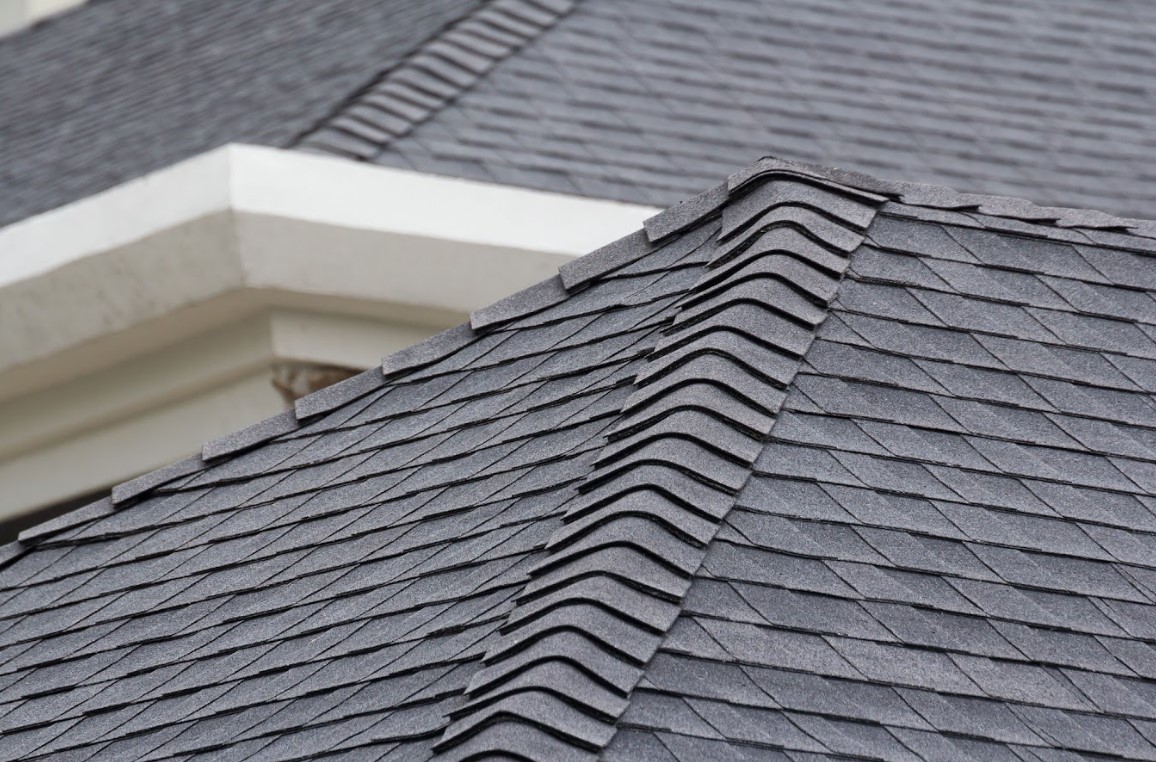
Ridge vents run along the peak of your roof and are one of the most effective exhaust options available. They’re low-profile, weather-resistant, and work continuously without any mechanical parts. Paired with soffit vents, they create natural airflow that works around the clock without you ever thinking about it.
Soffit vents sit under the eaves and act as the intake side of your ventilation system. Without adequate soffit venting, even the best ridge vent can’t do its job — because there’s nowhere for fresh replacement air to come from.
Box vents, also called static vents, are installed near the roof’s peak and rely on natural convection. They work well in certain configurations but typically require more units to achieve the same airflow as a continuous ridge vent. Power attic ventilators use a fan to actively pull hot air out of the attic. They can be effective in specific situations, but they require electricity and maintenance — and if they’re not balanced with proper intake venting, they can actually pull conditioned air out of your living space and drive up energy costs. According to the EPA, moisture management in attic spaces is critical to preventing long-term structural damage and indoor air quality problems.
How Do You Know If Your Ventilation System Is Actually Balanced?
Most homeowners have no idea — and that’s completely normal.
A balanced ventilation system means you have roughly equal amounts of intake and exhaust. As a general guideline, the Federal Housing Administration recommends 1 square foot of ventilation for every 150 square feet of attic floor space. That ratio can shift depending on whether you have a vapor barrier and where your vents are positioned — but the 1:150 rule gives you a solid starting point.
The problem is that most homeowners can’t easily assess this themselves. Vents get blocked by insulation during installation. Soffit vents get painted over. Ridge vents get damaged in storms. Any one of these issues can quietly choke your airflow without any obvious exterior sign.
That’s where a professional roof inspection makes all the difference. A qualified roofing contractor isn’t just looking at your shingles — they’re assessing the whole system, ventilation included, to catch problems before they become expensive repairs. If you suspect recent weather may have affected your roof’s performance, check out our storm damage repair services to see how we can help.
Straight Talk: Your Roof Ventilation Questions, Answered
Can I add more vents to my existing roof?
Yes — and in many cases, it’s one of the smartest investments you can make in your home. Adding vents to an under-ventilated roof can reduce attic temperatures, extend shingle life, and lower energy costs. Just be sure that any additions maintain the intake-to-exhaust balance. Adding exhaust vents without increasing intake, or vice versa, can actually reduce airflow efficiency rather than improve it.
Does roof ventilation matter in the winter, or just during summer?
Both seasons, without question. Summer ventilation prevents heat buildup and reduces cooling costs. Winter ventilation removes moisture-laden air before it can condense and cause mold, rot, or ice dams. In Montana especially, winter ventilation may actually be the more critical of the two.
How long does a typical ventilation upgrade take?
Most improvements — adding ridge vents, clearing blocked soffits, installing additional intake vents — can be completed in a single day by an experienced roofing crew. More extensive work on a larger home may take a bit longer, but you won’t be left without a functional roof while the work is underway.
Will better ventilation actually lower my energy bill?
In most cases, yes — particularly during summer months. By reducing attic temperatures, proper ventilation reduces the heat radiating into your living spaces, which means your HVAC system doesn’t have to work nearly as hard. Homeowners who correct significant ventilation deficiencies often notice a real drop in cooling costs within the first season.
Let Your Roof Breathe — And Let A-1 Contractors Make Sure It Does
Here’s the bottom line: your roof is one of the most important and expensive components of your home, and ventilation is the system that keeps it alive and functioning the way it should. Ignore it, and you’re setting yourself up for ice dams, mold, premature roof failure, and energy bills that don’t make any sense. Take care of it, and your roof can deliver decades of reliable protection — even through the harshest Montana winters and hottest summer stretches.
At A-1 Contractors, Inc., we’ve been serving homeowners across North Central Montana since 2006. We’re a GAF Master Elite certified roofing company — which puts us in the top tier of contractors in the country — and we bring that level of expertise to every job, whether it’s a quick ventilation assessment or a full roof replacement. We don’t cut corners, and we don’t disappear after the invoice is paid.
If you’ve noticed any of the warning signs we covered above, or if you simply don’t know when your roof was last inspected, now is the right time to get a professional set of eyes on it. Don’t wait for a leak or a major repair bill to force the issue.
Reach out to A-1 Contractors, Inc. today and schedule your free estimate. We’ll take a thorough look at your roof system — ventilation and all — and give you a straight answer about where things stand. Call us at (406) 453-7000. Your roof works hard for you every single day. Make sure it has what it needs to keep doing that job.