 (406) 453-7000


 (406) 453-7000
A solid roof over your head is one of those things you tend to take for granted until the weather starts making its way into your living room. Out here in Central Montana, our homes take a serious beating from brutal winter freezes, blazing summer sun, and winds that could blow the spots off a pup. Most folks figure if they do not see a gaping hole or a steady drip landing in a kitchen bucket, everything is fine. The truth is that water is a patient enemy, and the worst roof issues often start where you can not see them. Catching these problems early is the difference between a simple, inexpensive fix and a massive headache that empties your wallet.
What are the key takeaways for smart homeowners?
- Hidden moisture often shows up inside your attic or along the ceiling long before a major leak breaks through.
- Missing granules and subtle shingle damage can compromise your home structure during the next big storm.
- Clogged gutters and bent flashing allow water to back up and rot the underlying wood deck.
- Routine eyes-on-the-roof checks help you dodge emergency repairs and extend the life of your home.
Why should you start your inspection inside the attic?
How can your attic reveal structural problems?
When you want to know what is really happening with your roof, you need to head upstairs into the dark. Grab a good flashlight on a rainy afternoon and take a look around your attic space. You want to look closely at the underside of the wood roof deck for any dark streaks, damp spots, or white mold growth. If you see daylight peeking through places it should not be, water is absolutely finding its way in too. Check the insulation to see if it feels matted down or damp, which is a clear sign that moisture is drifting down from above. Checking these internal warning signs early keeps minor structural damage from turning into a total loss.
What does shingle wear actually look like from the ground?
What are the subtle signs of asphalt failure?
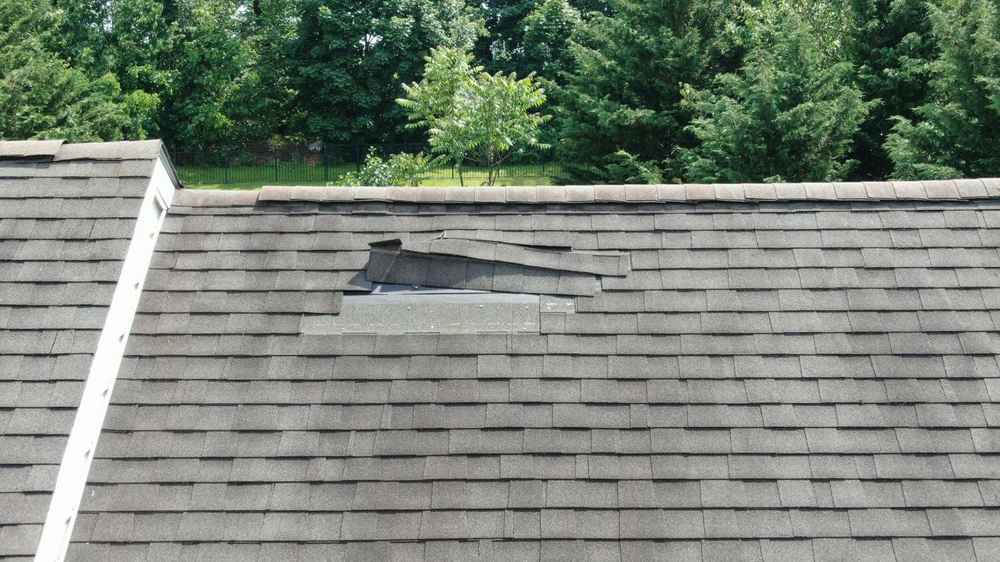
You do not need to climb a shaky ladder to find out if your shingles are giving up the ghost. A simple walk around your yard with a pair of binoculars can give you a clear view of the situation. Look for shingles that look slightly curled at the edges, cupped in the middle, or completely cracked. Another major warning sign gathers right in your downspouts. If you see piles of dark, sand-like granules washing out of your gutters, your shingles are losing their protective coating against the sun and rain. When that asphalt gets brittle, it loses its ability to shed water, leaving your home vulnerable to the next big central Montana storm.
How do metal accents and flashing cause hidden leaks?
Why do seams and valleys require extra attention?
Your roof is only as strong as its weakest joints, and those joints are protected by metal flashing. This material is installed around your chimney, along the roof valleys, and around ventilation pipes to direct water away from seams. Over time, fierce winds and freezing temperatures can cause this metal to lift, warp, or rust out. Once the seal breaks, water slides right underneath the shingles and directly onto your ceiling joists. Pay close attention to the rubber boots around your plumbing vents too because the sun can crack that rubber in just a few seasons, creating a direct funnel for rain.
Why are your gutters the first line of defense?
How does poor drainage destroy a solid roof structure?
Gutters do a whole lot more than just keep water off your head when you walk out the front door. They are designed to collect water and move it safely away from your foundation and your roofline. When leaves, twigs, and debris pack into your gutters, the water has nowhere to go but up. It backs up under the lower edge of your shingles, soaking into the fascia boards and causing deep wood rot that you can not see from the yard. If you notice your gutters are sagging, pulling away from the house, or overflowing during a heavy downpour, your roof is likely soaking in standing water.
To understand how high-quality gutters protect your home structure from top to bottom, you can read more about comprehensive gutter care guidelines provided by the National Roofing Contractors Association.
What should you ask about hidden roof maintenance?
How can you tell if a roof leak is fresh?
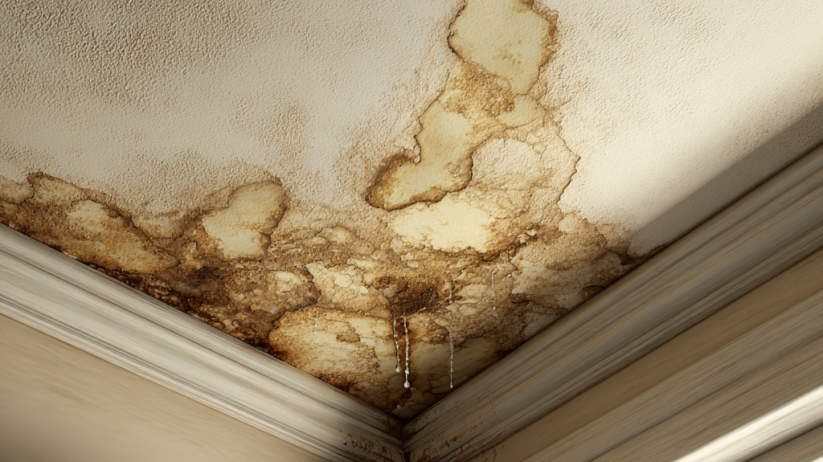
A fresh leak usually leaves a soft, damp spot that feels wet to the touch and might look like a faint, light brown stain on your drywall. An older, chronic leak will often have dark ring marks, a musty odor, and peeling paint or crumbling plaster. Both styles of damage require immediate professional attention before mold sets in.
Can a roof look perfectly fine but still have damage?
Yes, hail can bruise the underlying mat of an asphalt shingle without breaking the surface completely, which slowly weakens the material over time. Strong winds can also break the adhesive seal beneath shingles without blowing them off, leaving them loose and ready to leak during the next heavy storm. For an in-depth look at how various storms impact different roofing materials, check out the field studies published by the Federal Emergency Management Agency.
How often should you check your roof for problems?
It is smart practice to look over your roof at least twice a year, once in the spring after the heavy snow melts and once in the autumn before the freezing weather hits. You should also do a quick visual check after any major hail storm or high-wind event to make sure nothing has shifted or cracked.
Let us take care of the heavy lifting together
How can A-1 Contractors secure your home?
Finding hidden roof damage takes an experienced eye, a steady hand, and the right tools for the job. Out here, you want a team that knows the local climate and treats your home like their own. The professionals at A-1 Contractors have spent over twenty years protecting homes and families across North Central Montana with honest service and top-tier craftsmanship. Whether you need a quick patch to fix a troublesome leak or you are ready to explore a complete residential roof upgrade, our crew gets the job done right without cutting corners.
We take great pride in our clean work environments and efficient service, meaning we often complete residential projects in just a couple of days. You can learn more about us and our deep roots in the community, explore our specialized residential roofing services, or simply contact us today to schedule your free inspection and estimate. Let us handle the hard work so you can rest easy knowing your home is safe from the elements.