 (406) 453-7000


 (406) 453-7000
Roofs do not usually fail all at once. They whisper first. A shingle curls. A stain shows up on the ceiling. Granules collect in the gutter. Before long, that whisper turns into a very expensive conversation.
A professional roof inspection is how you catch problems while they are still small, affordable, and manageable. It gives you clarity about the condition of your roof and a plan for what comes next, instead of guessing and hoping for the best.
Key Takeaways
- Inspections uncover hidden damage long before leaks become obvious.
- Contractors check shingles, flashing, ventilation, gutters, and structural components.
- Documentation from an inspection can support insurance claims or real estate transactions.
- Most issues found are repairable when caught early.
- Regular inspections extend the life of your roof and protect your budget.
What is a professional roof inspection supposed to accomplish?
It gives you a clear picture of your roof’s health.
At its core, an inspection answers a simple question: what shape is my roof in right now?
A good contractor is not there to sell you panic. They are there to gather facts. That means identifying wear, spotting early warning signs, and determining how much life your roofing system still has left.
By the time you receive your report, you should understand:
- What is working as it should
- What needs monitoring
- What requires repair sooner rather than later
- Whether replacement is anywhere on the horizon
No mystery. No smoke. Just straight answers.
What areas of the roof do inspectors actually examine?
More than you might think.
Many homeowners picture someone glancing at shingles for a few minutes and calling it good. In reality, a proper inspection is methodical and detailed.
Professionals evaluate how the entire system performs together, because roofs fail at the connections long before they fail in the open field.
Expect attention on areas like:
- Shingle condition, fastening, and granule loss
- Flashing around chimneys, vents, skylights, and valleys
- Signs of hail or wind damage
- Soft spots that may indicate moisture intrusion
- Gutter performance and drainage patterns
- Ventilation that affects attic temperature and moisture
- Sealants, boots, and penetrations
It is part detective work, part prevention plan.
What happens before anyone climbs onto the roof?
The ground tells a story too.
A seasoned inspector often starts at eye level. Why? Because clues fall downward.
Granules near downspouts, pieces of shingle in landscaping, sagging lines, or rusty flashing visible from below can all hint at bigger issues above. Inspectors may also use drones or long-range photography to safely preview steep or complex areas.
This early look helps them know where to focus once they get up top.
What are inspectors looking for once they are up there?
Small details that turn into big problems.
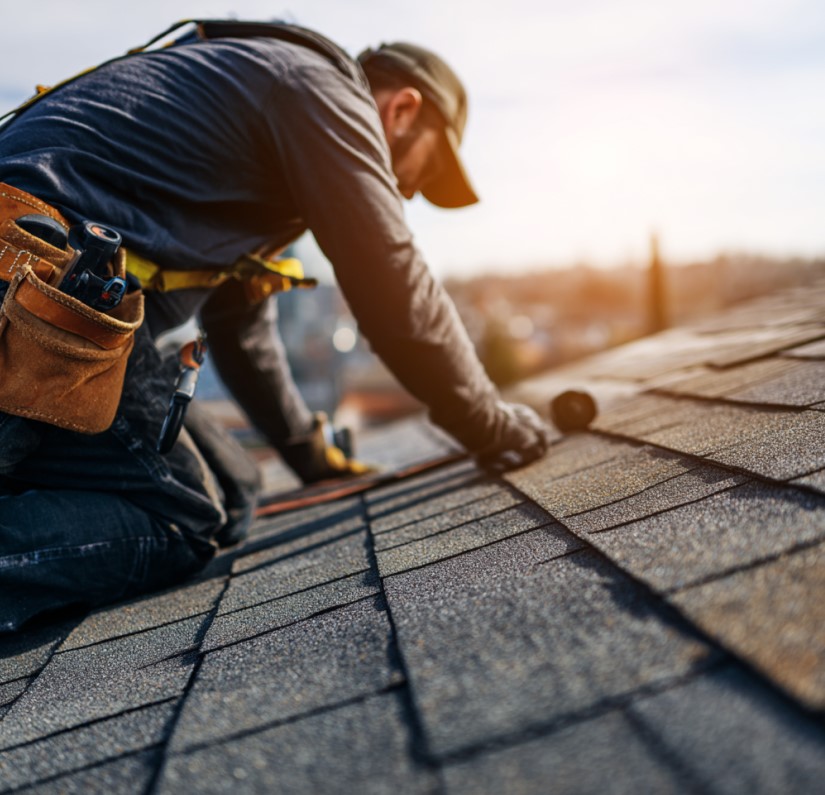
Up close, minor imperfections stand out. A lifted nail. A cracked boot. A shingle starting to slide. None of these seem dramatic, but they are often the starting point for leaks.
In climates like Montana, where snow loads, ice, wind, and rapid temperature swings are common, those weak spots widen fast.
An inspector documents trouble areas, measures their severity, and determines whether a simple roof repair can restore integrity or if broader work is needed.
Will they check the attic too?
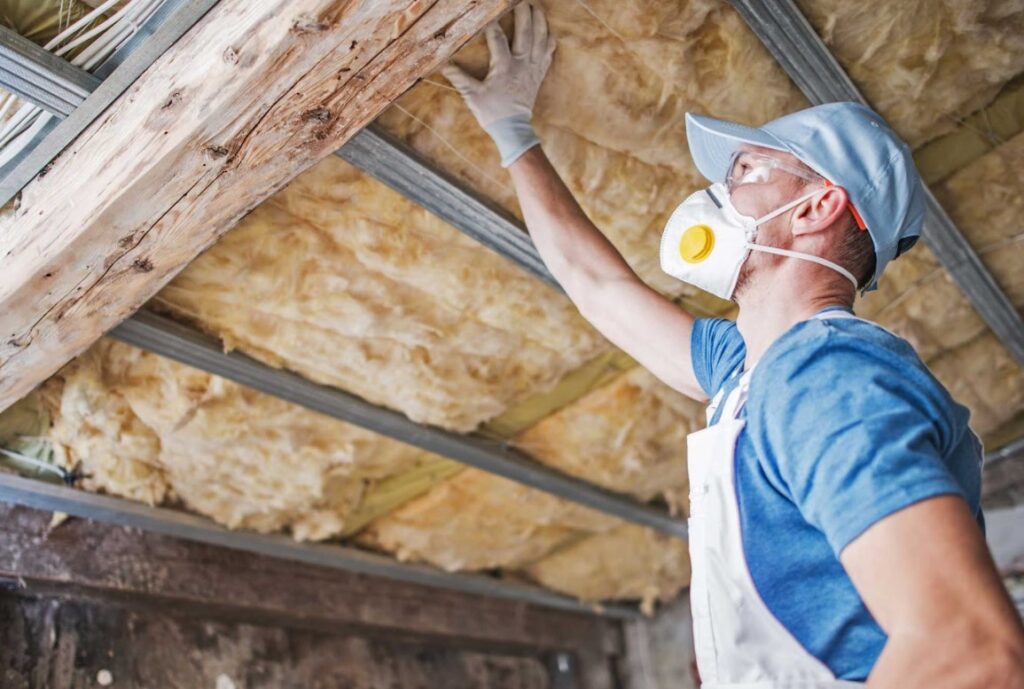
They should, because the attic tells the truth.
If exterior symptoms are the rumor, the attic is the evidence.
Inside, inspectors look for water staining, mold risk, blocked vents, compressed insulation, and airflow problems. Poor ventilation can cook shingles from below in summer and trap moisture in winter, shortening the roof’s lifespan dramatically.
Many roofing failures begin inside the house, not outside it.
How long does a roof inspection usually take?
Long enough to be thorough.
Most residential inspections run between 45 minutes and a couple of hours depending on roof size, pitch, accessibility, and complexity.
If someone is done in ten minutes, you probably did not receive a real inspection.
What kind of report should you expect afterward?
One you can actually use.
You should walk away with documentation that makes decisions easier. That often includes photographs, descriptions of findings, and clear recommendations prioritized by urgency.
Good reports help you budget, plan maintenance, and provide proof of condition for insurance or property sales.
Great reports translate contractor language into homeowner language.
Does an inspection mean you need a new roof?
Usually not.
Here is a little secret from the field: most roofs inspected do not need replacement.
They need maintenance. Maybe a handful of shingles. Maybe updated flashing. Maybe improved ventilation. Catching those items early can add years to your roof’s service life.
Inspection is about control, not catastrophe.
When should a homeowner schedule one?
Earlier than you think.
Waiting for a leak is like waiting for your engine to seize before checking the oil.
Smart timing includes:
- After major wind or hail events
- When buying or selling a home
- If the roof is over ten years old
- When you notice interior stains or musty smells
- As part of routine preventative care every year or two
Regular checkups cost far less than emergency repairs.
How can you prepare for a roof inspection?
A little access goes a long way.
You do not need to do much, but a few steps help the visit go smoothly.
Clear vehicles from the driveway. Unlock gates. Move fragile wall items in the attic if access is required. Keep pets secured.
Simple preparations save time and keep everyone safe.
What makes a professional inspection different from a quick look?
Training, experience, and accountability.
Anyone can climb a ladder. Not everyone knows what they are seeing.
Professional inspectors understand how roofing systems age, how regional weather affects materials, and how small failures predict larger ones. They also stand behind their findings, which matters if insurance questions ever arise.
Expertise turns observation into insight.
Straight Talk from the Roof: What do homeowners ask most?
Real questions, real answers.
How much damage is too much?
Damage becomes serious when water can enter the system or when structural integrity is compromised. Early intervention is almost always cheaper.
Can I stay on the roof while you inspect?
It is safer to let the crew handle it. Too many variables exist, and extra foot traffic can cause harm.
What if nothing is wrong?
Great news. Now you have documentation and peace of mind.
How often should inspections happen?
Most homes benefit from annual or biannual evaluations, plus checks after significant storms.
Where do you go from here?
Turn information into action.
A roof inspection should leave you feeling empowered, not pressured. You now know the condition of your home’s first line of defense. You understand the timeline. You can plan instead of react.
If questions came up or repairs are recommended, the next step is choosing a team that treats your house like their own.
Reach out to A-1 Contractors in Great Falls for experienced guidance, honest assessments, and workmanship built for Montana weather. Schedule your professional inspection and get real answers from people who know roofs inside and out.